Monday, November 18, 2024

Polypropylene Media for Retractable Banners: The Ultimate Guide

Polypropylene Media for Retractable Banners: The Ultimate Guide
Polypropylene media is a popular material used in the production of retractable banners. In this guide, we will explore everything you need to know about polypropylene media for retractable banners, from its features and benefits to tips on how to maintain and maximize its lifespan.

What is Polypropylene Media?


Polypropylene is a versatile plastic polymer that is known for its durability, flexibility, and water-resistant properties. When used in the production of retractable banners, polypropylene media can provide a high-quality, vibrant print that is suitable for both indoor and outdoor use. It is a popular choice among businesses and marketers due to its cost-effectiveness and ease of use.

Features and Benefits of Polypropylene Media for Retractable Banners


- Durability: Polypropylene media is highly durable, making it ideal for long-term use. It can withstand wear and tear, ensuring that your banners look great for extended periods.
- Flexibility: Retractable banners made from polypropylene media are flexible and easy to transport. They can be rolled up for storage or transport without risking damage to the print.
- Water-Resistant: Polypropylene is water-resistant, making it suitable for outdoor use where banners may be exposed to the elements. This feature ensures that your messaging stays clear and visible even in light rain or high humidity.
Polypropylene Media for Retractable Banners

Types of Polypropylene Media


There are different types of polypropylene media available for retractable banners, each suited for specific needs:
- Matte Polypropylene: Offers a non-reflective finish, making it ideal for banners that will be displayed under bright lighting or outdoors.
- Glossy Polypropylene: Provides a shiny finish that enhances color vibrancy and contrast, perfect for indoor banners or displays where you want to make a bold statement.

Tips for Maintaining Polypropylene Media


To ensure that your retractable banners made from polypropylene media remain in top condition, follow these maintenance tips:
- Avoid Direct Sunlight: Prolonged exposure to direct sunlight can cause fading. Store or display your banners in shaded areas whenever possible.
- Clean with Mild Detergent: Use a soft cloth and mild detergent to gently clean your banners. Avoid harsh chemicals or abrasive materials that can damage the print.
- Store Properly: When not in use, roll up your banners and store them in a cool, dry place to prevent creasing or wrinkling.

Maximizing the Lifespan of Polypropylene Media Banners


To get the most out of your polypropylene media banners, consider the following tips:
- Rotate Usage: If you have multiple banners, rotate their usage to prevent overexposure to wear and tear.
- Update Regularly: Keep your messaging fresh by updating your banners regularly to maintain relevance and capture audience attention.
- Invest in Quality: Opt for high-quality polypropylene media and printing services to ensure that your banners look professional and last longer.

Conclusion


In conclusion, polypropylene media is an excellent choice for retractable banners due to its durability, flexibility, and water-resistant properties. By understanding its features and benefits, choosing the right type for your needs, and following maintenance tips, you can ensure that your banners made from polypropylene media remain vibrant and effective for a long time. Make the most of this versatile material to create visually appealing banners that make a lasting impression.
Image Square Printing https://imagesquareprinting.com/polypropylene-media-for-retractable-banners/

Wednesday, November 13, 2024

How to Create a Stunning Scientific Fabric Poster

How to Create a Stunning Scientific Fabric Poster
Are you a scientist or researcher looking to present your work in a visually appealing and professional manner? Fabric posters are a fantastic way to showcase your research findings at conferences, seminars, or in your lab. They are durable, easy to transport, and can be reused multiple times. In this blog post, I will guide you through the process of creating a stunning scientific fabric poster that will grab attention and effectively communicate your research.

Choosing the Right Design Software


The first step in creating a Scientific Fabric Poster is choosing the right design software. Adobe Illustrator and InDesign are popular choices among researchers for creating scientific posters due to their flexibility and high-quality output. If you're on a budget, you can also use free software like Canva or Google Slides, which offer a range of templates and design tools.

Selecting the Right Template


Once you have selected your design software, the next step is to choose a template for your fabric poster. Most design software platforms offer pre-designed templates specifically for scientific posters. These templates are typically formatted to the standard scientific poster size (e.g., 48x36 inches) and include placeholders for text, figures, and images.

Organizing Your Content


Before you start designing your fabric poster, it's essential to organize your content. Divide your poster into sections such as Introduction, Methods, Results, Discussion, and Conclusion. Make sure to highlight key findings and use visuals like graphs, charts, and images to make your poster more engaging and informative.

Designing Your Fabric Poster


When designing your fabric poster, keep in mind that less is more. Avoid cluttering your poster with too much text or unnecessary design elements. Use a clean and cohesive layout, with a clear hierarchy of information. Choose a color scheme that complements your research topic and ensures readability from a distance.

Incorporating Visuals


Visual elements are crucial for capturing the attention of viewers and conveying information quickly. Use high-quality images, graphs, and charts to visually represent your data. Make sure all visuals are easy to read and understand, even from a distance. Incorporate white space in your design to prevent overcrowding and improve readability.
Scientific Fabric Poster

Adding Text


When adding text to your fabric poster, keep your writing clear, concise, and to the point. Use bullet points and short paragraphs to convey information effectively. Make sure your text is legible from a distance by using a font size of at least 24 points for body text and 36 points for headings. Proofread your content carefully to avoid any typos or grammar errors.

Printing Your Fabric Poster


Once you have finalized your design, it's time to print your fabric poster. Many online printing services offer fabric printing for scientific posters. Make sure to select a high-quality fabric material that is wrinkle-resistant and durable. Consider adding a carrying case for easy transport and storage.

Presenting Your Poster


When presenting your fabric poster, make sure to set it up in a well-lit and visible location. Be prepared to explain your research to viewers and engage in discussions about your findings. Consider creating handouts or digital copies of your poster to distribute to interested parties.
The Bottom Line
Creating a stunning scientific fabric poster requires careful planning, design skills, and attention to detail. By following the tips outlined in this blog post, you can create a visually appealing and informative poster that effectively communicates your research findings. Remember to keep your design clean and concise, use visuals to enhance your message, and present your poster confidently to make a lasting impression on your audience.
Image Square Printing https://imagesquareprinting.com/scientific-fabric-poster/

Saturday, November 9, 2024

Understanding the Dye Sublimation Printing Process

Understanding the Dye Sublimation Printing Process
What is Dye Sublimation Printing you might ask? Have you ever wondered how those vibrant designs end up flawlessly printed on your favorite mugs, t-shirts, and phone cases? The answer lies in the magical world of dye sublimation printing. This fascinating process turns ordinary objects into customized masterpieces, and it's surprisingly simple once you break it down.
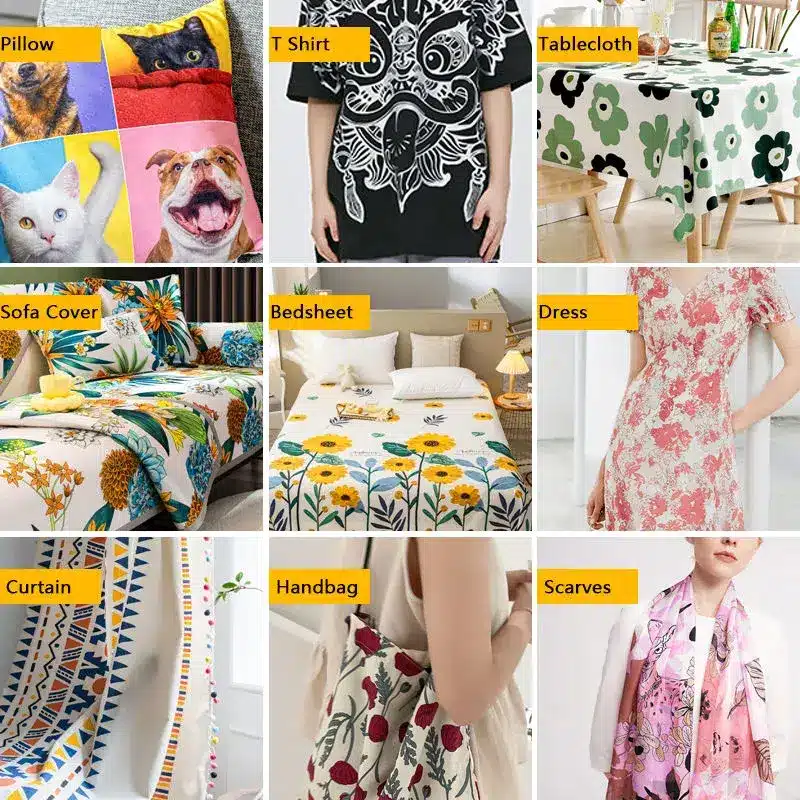
Dye sublimation printing is more than just a method; it's an art form that uses heat to transfer dye into different materials. Imagine it as creating a stunning tattoo for a product, with colors that won't easily fade or peel away. It's a clean and efficient process, perfect for both hobbyists and professional printers looking for high-quality, durable results.
Let’s dive into the colorful journey of dye sublimation printing and discover what makes it a favorite among creatives everywhere! And as always if you have any questions about the entire process of Dye sublimation in printing, Image Square Printing is just a phone call away. Their staffs are always available and  eager to answer any questions that you might have.

What is Dye Sublimation Printing?


At its core, dye sublimation printing is a technique that transfers images onto materials using a special ink. But here's the twist: the ink starts off as a solid and, with the application of heat and pressure, transforms directly into a gas.
This gas then penetrates the fibers of the material and permanently dyes it—pretty neat, right? This direct transition bypasses the liquid phase entirely, ensuring the final print is crisp and full of life.
A Closer Look at the Process
Imagine printing your design onto special sublimation paper. Next, you place this paper onto the object you want to print, whether it's fabric or another sublimation-friendly surface. As the heat gets applied, the magic happens: the ink becomes a part of the material, leaving absolutely no residue on top.
What makes it even more appealing is the durability of the prints. These designs are not only visually stunning but also resistant to cracking and fading, making them perfect for customized apparel and home goods alike.
Dye sublimation is revolutionizing how we personalize our world. With endless possibilities, it's no wonder this printing method is a favorite among creators and manufacturers alike.
What is Dye Sublimation Printing
 

Benefits of Dye Sublimation Printing


Dye sublimation printing is a game-changer, especially when it comes to producing vibrant, full-color designs. One major perk is its ability to create prints that virtually pop off the fabric, offering colors that are brighter and richer than some other printing methods can achieve.
Another fantastic benefit is durability. Because the inks become part of the material, sublimation prints are incredibly resistant to fading. They can withstand repeated washes without losing their vibrancy. This makes them perfect for everyday items like clothing and mugs, ensuring they still look fresh after countless uses.
But that’s not all. The quality of detail achieved with dye sublimation is top-notch. Whether you’re working with intricate patterns or sharp lines, you can expect high-precision finishes that truly capture the essence of your design. This makes it a favorite for producing high-resolution images and designs that need to maintain their sharpness.
So, if you're looking for a printing method that checks all the boxes for vividness, durability, and detail, dye sublimation is definitely worth considering. It’s like magic for your custom designs!

Materials Needed for Dye Sublimation Printing


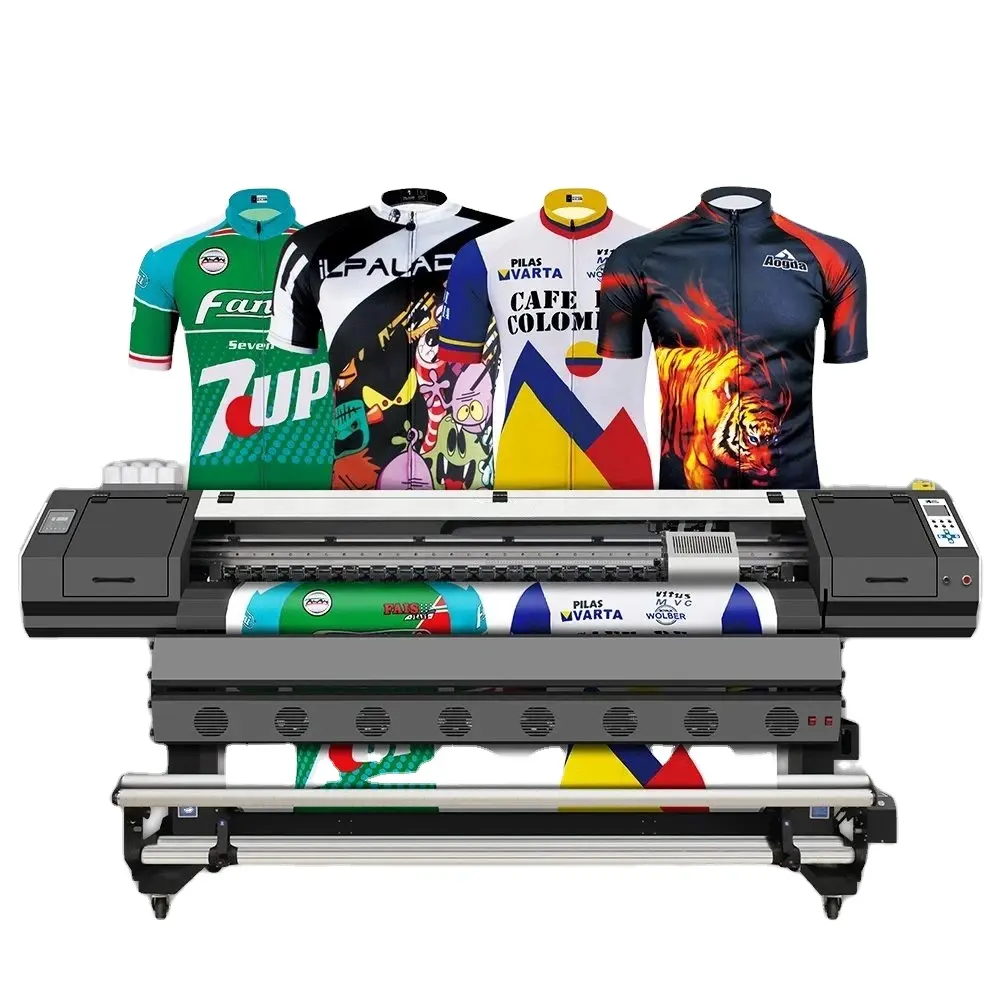
Before you can dive into the world of dye sublimation printing, you'll need to gather some essential materials. Let's start with the basics, which include a dye-sublimation printer. This machine is specifically designed to handle special sublimation inks, making it a key player in the printing process.
Sublimation Paper and Ink
Next up is sublimation paper. It's different from regular paper because it's specially coated to hold and release sublimation inks effectively. On the topic of inks, you’ll want to use sublimation inks that turn into gas when heated, allowing them to transfer seamlessly onto your chosen surface.
A heat press machine is also crucial. It’s what you’ll use to apply the right amount of heat and pressure to transfer the ink from the paper to your product, whether it's fabric, ceramic, or metal. Each material might require some adjustment to the heat and time settings, but that’s part of the fun experimentation!
Last, but certainly not least, you’ll need substrates that are prepared for sublimation. These could be polyester fabrics or specially coated items like mugs or phone cases. It's important because the sublimation process only works on these types of surfaces.
Once you have all these materials, you’re well on your way to creating exciting and lasting sublimation prints!

Step-by-Step Dye Sublimation Process


Let's walk through the dye sublimation process step-by-step. You'll find it's straightforward once you've got a handle on all the materials.
First, start by creating your desired design using design software. Make sure it's vibrant, as sublimation works best with bright and bold colors. Once your design is ready, print it onto the sublimation paper using your dye-sublimation printer.
Now that you have your printed design, it's time to prepare your substrate. If it's a fabric, give it a quick lint roll to ensure a clean surface. For hard items, a dust-free surface is key.
Next, align the printed sublimation paper with your substrate. Use heat-resistant tape to secure it, which prevents any shifting during the transfer process.
Move over to your heat press machine. Adjust it to the correct temperature, pressure, and time settings as recommended for your material. Once set, place your item in the heat press, cover it with a protective sheet, and close the heat press.
After the timer beeps, carefully open the heat press and peel away the sublimation paper. Your design should be beautifully transferred and vibrant. Let it cool briefly, and voila! You've completed the dye sublimation process.
That's all there is to it! With practice, you'll master the art of dye sublimation in no time.

Ensuring Quality Results in Dye Sublimation Printing


Achieving top-notch quality with dye sublimation printing often hinges on a few key practices. First up, focus on choosing the right materials. Opt for high-quality substrates specifically designed for sublimation to ensure vibrant color transfer.
Pay close attention to your printer settings. Make sure your printer is well-maintained, with a clean print head and suitable ink levels. Adjust the settings to match the resolution and paper type being used, as this affects how well the image prints on the paper.
Don't skip on testing. Running a test print helps you spot and tweak any issues before committing to the final product. It's a great way to save time and resources.
Mind the heat press parameters. Double-check that the temperature, time, and pressure settings are spot-on for your specific substrate. These elements play a crucial role in how well the ink bonds with the material.
Lastly, remember the importance of cooling. Allow your sublimated items to cool naturally to prevent any accidental smudging or distortion.
By keeping these pointers in mind, you'll produce beautiful, professional results every time, making all your projects shine!

Choosing the Right Printer for Dye Sublimation


Picking the perfect printer for dye sublimation can feel a bit overwhelming, but it becomes easier when you know what to look for. First, consider the printer size. Think about the types of projects you’ll be handling—is large-format printing something you'll need regularly?
Understanding Ink Compatibility
Ensure the printer is compatible with dye sublimation inks. Not all printers are designed to handle these inks, so it's important to verify their suitability to prevent any mishaps or ineffective results.
Another key factor is resolution. High-resolution capabilities are crucial for sharp, detailed images. Always check the specs to ensure the printer delivers the clarity your work requires.
Budget also plays a role. Prices can range widely, so identify what features are essential for your needs and compare them against your budget. Remember, sometimes investing a bit more upfront can save hassles down the line.
Finally, read reviews and maybe even try to see the printer in action if possible. Getting firsthand feedback from other users can provide valuable insights into performance and potential issues.
With these points in mind, you're all set to choose a printer that meets your dye sublimation needs, ensuring quality results every time!

The Bottom Line: Mastering the Dye Sublimation Printing Process


Wrapping up, mastering the dye sublimation printing process is much like learning any new craft. It might seem daunting at first, but once you grasp the essentials, it becomes second nature.
First off, understanding your materials and tools, like choosing the right printer, is crucial. It sets the foundation for everything that follows. Don't skip out on learning the nuances of printer settings and ink compatibility—it can save a ton of time and money.
In light of this, practice is key. Experiment with different designs, textiles, and surfaces. Each trial, whether a success or a stumble, teaches something new. Over time, your skills will become sharper, and the process smoother.
It's also worth mentioning that staying curious helps. Follow trends, watch tutorials, and engage with fellow enthusiasts. There's always something new to learn or try, and continuous learning keeps the process exciting and fresh.
While challenges will arise, remember, each hurdle is a stepping stone to becoming better. Embrace any mistakes as part of your journey and don't hesitate to seek help when needed.
At the end of the day, dye sublimation opens up a world of possibilities for expressing creativity and producing stunning prints. With persistence and the right mindset, you’ll soon find yourself not just understanding but truly mastering the dye sublimation printing process.
Image Square Printing https://imagesquareprinting.com/dye-sublimation-printing-process/

Thursday, November 7, 2024

PVC Sign VS Styrene Sign

PVC Sign VS Styrene Sign
It's essential to understand the differences between PVC Sign VS styrene sign when it comes to choosing the perfect material for your signage needs,  These two materials have their own unique characteristics that make them suitable for various purposes. In this blog post, we will delve deep into the distinctions between PVC signs and styrene signs to help you make an informed decision for your next signage project.
 

PVC Sign VS Styrene Sign


What is a PVC Sign?


PVC, which stands for polyvinyl chloride, is a durable and versatile plastic material commonly used in the sign-making industry. PVC signs are known for their excellent durability and weather resistance, making them a popular choice for outdoor signage.
Key Features of PVC Signs:
- Durability: PVC signs are highly durable and can withstand harsh weather conditions, making them ideal for outdoor use.
- Versatility: PVC signs can be easily customized to fit various shapes, sizes, and designs, making them a versatile option for signage needs.
- Cost-Effective: PVC signs are relatively cost-effective compared to other materials, making them a budget-friendly choice for businesses.
PVC Sign VS Styrene Sign

What is a Styrene Sign?


Styrene, also known as polystyrene, is a lightweight and flexible plastic material commonly used for indoor signage. Styrene signs are popular for their smooth surface and ability to showcase vibrant colors and graphics.
Key Features of Styrene Signs:
- Lightweight: Styrene signs are lightweight and easy to handle, making them perfect for indoor displays and temporary signage.
- High-Quality Print: Styrene offers a smooth surface that allows for high-quality printing, making it ideal for vibrant colors and intricate designs.
- Affordability: Styrene signs are cost-effective and offer good value for businesses looking for quality indoor signage options.

Differences Between PVC Signs and Styrene Signs


1. Durability
One of the significant differences between PVC signs and styrene signs is durability. PVC signs are more durable and weather-resistant than styrene signs, making them the preferred choice for outdoor signage that needs to withstand various elements.
2. Indoor vs Outdoor Use
While both PVC and styrene signs have their strengths, PVC signs are better suited for outdoor use due to their superior durability and weather resistance. On the other hand, styrene signs are more commonly used for indoor displays and temporary signage due to their lightweight nature.
3. Customization Options
When it comes to customization, PVC signs offer more flexibility in terms of shapes, sizes, and designs compared to styrene signs. PVC signs can be easily shaped and customized to fit specific branding requirements, making them a versatile option for businesses seeking unique signage solutions.
4. Cost Considerations
In terms of cost, styrene signs are generally more affordable than PVC signs, making them a budget-friendly option for businesses looking for quality indoor signage without breaking the bank. However, PVC signs offer long-term durability and weather resistance, making them a cost-effective choice for outdoor signage projects.
5. Printing Quality
Styrene signs are known for their ability to showcase high-quality prints with vibrant colors and intricate designs due to their smooth surface. On the other hand, PVC signs also offer good printing quality but are more favored for their durability and weather resistance rather than print quality.

Conclusion


In conclusion, when deciding between PVC signs and styrene signs for your signage needs, it's essential to consider factors such as durability, customization options, indoor or outdoor use, cost considerations, and printing quality. PVC signs excel in outdoor applications where durability is key, while styrene signs are ideal for vibrant indoor displays at a budget-friendly price point. Ultimately, the choice between PVC and styrene signs will depend on your specific signage requirements and design preferences.
Image Square Printing https://imagesquareprinting.com/product/pvc-and-styrene-signs/

Tuesday, November 5, 2024

5 Creative Ideas for Making Signs out of PVC

5 Creative Ideas for Making Signs out of PVC
If you're looking to make eye-catching signs for your business, event, or even for personal use, making signs out of PVC is a versatile and affordable material to work with. PVC, or polyvinyl chloride, is a durable plastic commonly used in construction, but its flexibility makes it perfect for crafting unique signs. In this blog post, I'll share five creative ideas for making signs out of PVC that will surely stand out and grab attention.

1. 3D PVC Lettering


Creating 3D lettering with PVC is a fantastic way to make your signage pop. You can easily cut out letters from PVC sheets using a jigsaw or a CNC machine. Once you have your letters cut out, stack them together to create a multi-dimensional effect. You can paint the letters in vibrant colors to make them even more eye-catching. This 3D PVC lettering is perfect for storefront signs, event displays, or even home décor.

2. LED Backlit PVC Signs


Adding LED lighting to your PVC signs can take them to the next level. By cutting out shapes or letters from PVC sheets and embedding LED light strips behind them, you can create stunning backlit signs. The light shining through the PVC creates a sleek and modern look that will attract attention, especially in dimly lit environments. LED backlit PVC signs are great for businesses looking to make a bold statement or for creating unique signage for events and exhibitions.

3. PVC Chalkboard Signage


Combining PVC with chalkboard paint is a fun and practical way to create customizable signage. Cut a piece of PVC board to your desired shape and size, then coat it with chalkboard paint. You can use chalk or liquid chalk markers to write messages, draw designs, or display menus. The versatility of PVC chalkboard signage makes it perfect for cafes, restaurants, retail stores, or even for special events like weddings and parties.

4. PVC Vinyl Decal Signs


If you're looking for a versatile and cost-effective way to create signage, PVC vinyl decals are the way to go. Cut out shapes or letters from PVC sheets and apply vinyl decals to them. Vinyl decals come in a variety of colors and finishes, allowing you to customize your signs to suit your branding or design preferences. PVC vinyl decal signs are ideal for temporary signage, vehicle decals, or any application where you need a durable and weather-resistant solution.
Making Signs out of PVC

5. Hanging PVC Banner Flags


For a unique twist on traditional signage, consider making hanging PVC banner flags. Cut PVC pipes into sections and assemble them into flag shapes. Attach colorful fabric or vinyl banners to the PVC frames using zip ties or clips. These hanging PVC banner flags are lightweight, portable, and perfect for outdoor events, promotions, or directional signage. Customize the banners with your branding, messaging, or artwork to create eye-catching displays that will flutter in the wind and grab attention.

The Bottom Line


When it comes to creating signs out of PVC, the possibilities are endless. Whether you opt for 3D lettering, LED backlit signs, chalkboard signage, vinyl decals, or hanging banner flags, PVC offers a versatile and budget-friendly material to bring your creative ideas to life. Experiment with different techniques, colors, and finishes to make your PVC signs truly unique and impactful. Get creative, have fun, and let your signage stand out from the crowd with these innovative PVC sign ideas!
Image Square Printing https://imagesquareprinting.com/product/pvc-and-styrene-signs/

Monday, November 4, 2024

Oscar Banner: How to Create Eye-Catching Designs for Your Events

Oscar Banner: How to Create Eye-Catching Designs for Your Events
Imagine walking into an event and being instantly captivated by a banner that sets the tone for the entire experience. That's the magic of well-designed Oscar Banner event banners! Whether you're planning a corporate conference, a vibrant festival, or a cozy wedding, creating a banner that catches the eye is crucial.
But how exactly do you make your banner stand out from the crowd? It's all about blending color, typography, and visual balance to create an unforgettable impact. With the right techniques and a sprinkle of creativity, your banner can become the star of the show, drawing people in and igniting their curiosity.
In this guide, we'll dive into the art of designing Oscar-worthy banners that not only grab attention but also convey your event's personality. From choosing the right color palette to mastering the art of layout, you'll discover everything you need to turn your vision into a stunning reality.

Understanding the Impact of Oscar Banners on Event


Branding


When it comes to event branding, your banner is more than just a decorative piece—it's a vital tool for communication. This one visual component can amplify your brand's message and set the stage for what attendees can expect.
Oscar banners have a unique way of conveying stories and emotions. A thoughtfully designed banner can evoke excitement and anticipation, acting as a silent yet persuasive ambassador of your event's identity.

The Art of First Impression is an Oscar Banner


First impressions are everything, especially at events. An engaging banner instantly captures attention and creates a memorable experience. It's a chance to showcase your brand’s essence and to make attendees feel like they’re stepping into a thoughtfully curated environment.
Engaging Your Audience with your Oscar Banner
A compelling banner not only attracts attendees but also encourages them to interact and engage. Whether it's snapping selfies or sharing the image across social media, a standout design can multiply your event's reach non-stop.
In essence, Oscar banners can be a game-changer for your event branding strategy. By investing effort and creativity into your design, you breathe life into your event, making it not just seen but remembered.

Choosing the Right Color Scheme for Maximum Visual Appeal


Picking the right color scheme for your event banner can seem like a daunting task, but it’s crucial for drawing in viewers and communicating your message effectively. Colors can evoke emotions and build connections even before a word is read.
Start by considering the mood you want to set for your event. Is it a glamorous gala, a serious conference, or a fun party? The colors you choose should reflect this atmosphere. For instance, golds and deep blues often add a touch of luxury, while bright colors like yellows and reds can create a lively, vibrant feel.
Harmonizing with Your Brand
Aligning your color scheme with your brand isn't just a trend—it's a strategy. Using your brand’s existing colors fosters brand recognition, making your event unmistakably yours. It's like a visual handshake that tells attendees they're in the right place.
Another thing to keep in mind is contrast. Do you want your banner to stand out? Opt for contrasting colors that make text pop and attract attention from across the room. Just be careful not to overdo it—you want striking, not blinding.
In the end, the perfect color scheme does more than just look good; it supports your event’s message and enhances the overall experience for your guests. Choose wisely, and your banner will be a visual anchor at your event.

Incorporating Engaging Typography Techniques


Typography is more than just picking a random font—it’s about giving your words a personality. The right typography can amplify your message and guide the viewer's focus effortlessly.
First off, consider readability. It's crucial. No one wants to squint to make out your text. Choose fonts that are clear and easy to read, even from afar. A good rule of thumb is to stick with sans-serif fonts for headlines and serif fonts for the body text if your banner involves longer reads.
Mixing fonts can add flair, but proceed with caution. Limit yourself to two or three different fonts to maintain a cohesive look. This distinction helps create contrast and highlights the most important information without overwhelming your audience.
Adjusting font size can also create impact. Make sure the most crucial details, like the event name and date, are in the largest and boldest fonts. This not only makes them pop but also ensures they’re remembered.
In the end, typography is like the spice of your banner—it enhances flavor without overpowering the main dish. When done right, it can transform a good banner into a great one.

Utilizing High-Quality Images and Graphics for Wow Factor


Images and graphics can be the game-changers for your banner design. They’re the hooks that capture attention and make people stop in their tracks.
Always aim for high-resolution images. Blurry or pixelated visuals can dilute your message. Crisp, clear images make your banner look more professional and inviting.
Choosing the Right Visuals
Choose images that resonate with your message. They should align with the theme or mood of your event. A cohesive look enhances brand recognition and makes your message more memorable.
Remember, the quality of your visuals reflects the quality of your brand. Investing in professional photography or using premium stock image services can elevate your design from ordinary to extraordinary.
Graphics, like icons or vector images, should also be strategically placed to enhance your message. They can guide the eye, emphasize points, or simply add an extra flair.
In the end, pairing high-quality images and graphics with your message creates a powerful combo. It's the secret sauce that makes your banner not just seen, but remembered.

Creative Layout Design Principles for Oscar Banners


Designing an Oscar banner is like storytelling through imagery. Every element should have its place and purpose, drawing the audience into your narrative.
Start with a grid layout. It's a simple yet effective way to organize information. The grid helps maintain balance and ensures your banner doesn’t become chaotic.
Prioritizing Content
Identify the key message and let it take center stage. Whether it's the name of the movie, an iconic image, or a tagline, ensure it's the hero of your design.
Contrast is your friend. Bold colors against muted backgrounds, large fonts for key phrases, and strategic white space all help guide the viewer's eyes.
Experiment with layers. Overlapping images and text can add depth, making your banner more dynamic and intriguing.
Keep proportions in mind. A layout that respects the proportionality of elements helps maintain harmony and ensures the focus isn’t lost.
The Oscar banner should evoke elegance and luxury. Simple, sleek design choices can convey the prestige and excitement associated with Hollywood’s most glamorous night.
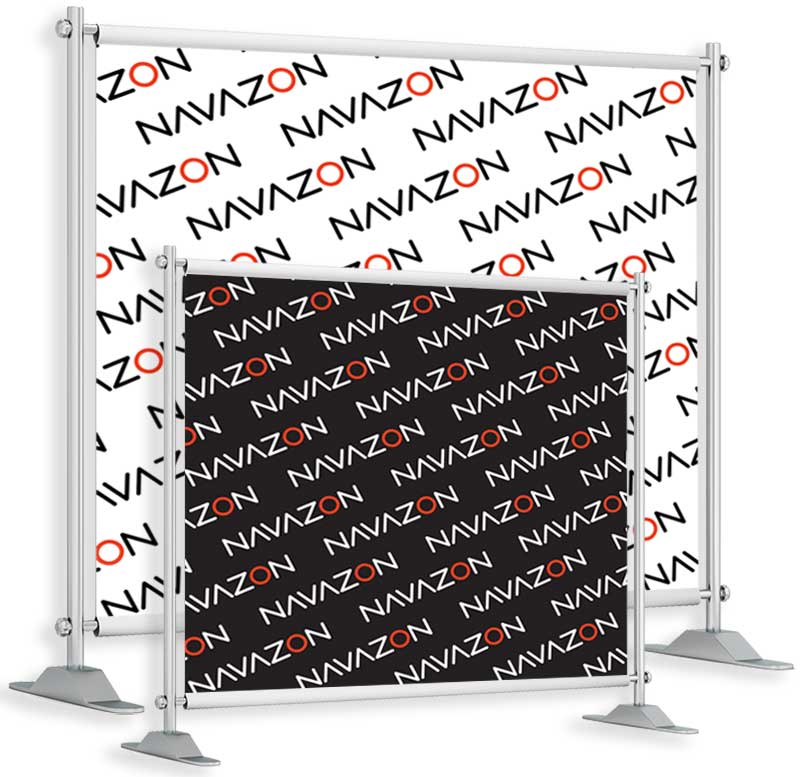
Oscar Banner

Implementing Effective Call-to-Actions for Event Success


Creating a compelling call-to-action (CTA) can transform interest into engagement. It's the nudge that turns a passive glance into active participation.
Make your CTA visible and enticing. Use contrasting colors and bold fonts to make it stand out from the rest of the content. A CTA should catch the eye at first glance.
Crafting the Message
Keep the message clear and concise. Action words like “Join Now,” “Reserve Your Spot,” or “Get Your Tickets” convey urgency and motivate users to act quickly.
Ensure your CTA communicates value. Why should someone click? Offering incentives like early bird discounts or exclusive content can make your CTA irresistible.
Positioning plays a crucial role. Place your CTA in multiple locations without overdoing it. Top and bottom of the page are popular spots, but also consider a pop-up or a sidebar for extra emphasis.
Test different CTAs to see which performs best. Changing the text, color, or placement can significantly impact engagement levels. Monitor and adapt to maximize effectiveness.
A well-placed and thoughtfully crafted CTA is the bridge between your event and its success. Give it the attention it deserves, and watch engagement levels soar!

Optimizing Oscar Banners for Different Event Types


Creating banners that shine for any event type is an art. Each event has its vibe, and your banner should reflect it perfectly.
For a glamorous gala, think golds, deep reds, and rich textures. Use elegant fonts and luxurious imagery to create a sense of exclusivity.
For a more casual gathering, opt for bright and cheerful colors. Playful fonts and lively images can convey excitement and approachability.
If it’s a professional conference, keep it sleek and minimalistic. Neutral tones and clean lines with clear text project a sense of confidence and professionalism.
The key is alignment with the event’s theme and audience. Audience recognition of visual cues can build anticipation and resonate with their expectations.
Always consider where the banner will be displayed. Digital screen banners need a different design approach than printed ones, focusing on readability and scale.
Consistency with other marketing materials is crucial. Ensure fonts, colors, and images align with the overall theme to maintain a cohesive look across all platforms.
With these tailored touches, your Oscar banners can hit the mark, capturing attention while setting the perfect tone for every type of event you host.

The Bottom Line: Bringing Oscar Banner Designs to Life


Bringing Oscar banner designs to life is all about balancing creativity with purpose. Each element, from the color palette to the font choice, plays a crucial role in capturing the essence of the event you're celebrating.
As we've explored, the foundation of a standout banner lies in understanding the event type and audience expectations. By carefully considering these factors, you can design banners that not only engage but also resonate deeply.
Another key point is, embracing technology allows for exciting innovations in banner design. With digital tools, you have the power to experiment and refine your designs, ensuring they are both eye-catching and effective.
Consistency across all promotional materials is key. When every piece, be it digital or print, shares a unified theme and message, it strengthens brand recognition and creates a seamless experience for your audience.
Remember, the final product should invite viewers in, intrigue them, and ultimately, enhance their overall experience of the event. A well-crafted Oscar banner can do just that, leaving a lasting impression long after the event concludes.
In conclusion, let your creativity flow, but keep your intent clear. With the right balance, your Oscar banners can passionately convey the spirit of the celebration, turning an ordinary event into an unforgettable one.
Image Square Printing https://imagesquareprinting.com/product/step-and-repeat-banner-stand-double-sided/

Saturday, November 2, 2024

How to Design an Eye-Catching Background Banner

How to Design an Eye-Catching Background Banner
Are you looking to spruce up your website or social media page with an eye-catching background banner? In this article, How to Design an Eye-Catching Background Banner, we go over few design ideas on how to make them. The background banner of any digital platform is often the first thing that catches a visitor's eye, so it's crucial to make it visually appealing and on-brand. In this blog post, I'll guide you through some tips and tricks on how to design an eye-catching background banner that will make a lasting impression on your audience.

Understand Your Brand


Before diving into the design process, it's essential to have a clear understanding of your brand identity. Your background banner should reflect your brand's personality, values, and overall vibe. Take some time to brainstorm keywords and phrases that represent your brand. Are you aiming for a modern and sleek look, or is your brand more fun and colorful? Understanding your brand will help you make design choices that are cohesive and aligned with your overall brand image.

Choose the Right Dimensions


One of the most critical aspects of designing Eye-Catching background banner is getting the dimensions right. Different platforms have different specifications for background banners, so be sure to do your research before starting the design process. You don't want your banner to be cut off or distorted when uploaded. Most platforms provide templates or guidelines for background banner dimensions, so take advantage of these resources to ensure your design fits perfectly.

Select a High-Quality Image


A visually striking background banner often starts with a high-quality image. Whether you opt for a photograph, illustration, or graphic design, make sure the image you choose is high resolution and visually appealing. Avoid pixelated or blurry images, as they can make your banner look unprofessional. If you're using stock photos, consider adding your twist to make them unique to your brand.
Play with Colors
Color plays a significant role in the overall impact of your background banner. Choose a color scheme that aligns with your brand's visual identity. You can use tools like Adobe Color or Coolors to create a cohesive color palette for your design. Consider the psychology of colors and how different colors evoke different emotions. For example, blue can convey trust and professionalism, while yellow is often associated with energy and creativity.
How to Design an Eye-Catching Background Banner

Incorporate Typography


Typography can elevate your background banner design and make it more visually appealing. Choose fonts that are easy to read and align with your brand's personality. Experiment with font sizes, styles, and colors to create hierarchy and visual interest in your design. Be mindful of legibility, especially if you're overlaying text on your background image. Play around with typography to find a balance that works well with your overall design.

Add Graphics or Illustrations


To make your Eye-Catching background banner more unique and eye-catching, consider incorporating graphics or illustrations. These elements can add depth and visual interest to your design. Whether you choose abstract shapes, icons, or custom illustrations, make sure they complement your brand and enhance the overall aesthetic of your banner. Graphics can help guide the viewer's eye and highlight essential elements of your design.

Keep It Simple and Minimal


While it's essential to make your Eye-Catching background banner visually appealing, remember that less is often more. Avoid overcrowding your design with too many elements or distractions. Opt for a clean and minimalistic approach that allows your key message or visuals to shine. Simple designs are not only more aesthetically pleasing but also easier for viewers to digest and remember.
Test Different Versions
Once you've designed your Eye-Catching background banner, don't be afraid to test different versions to see what resonates best with your audience. You can create A/B tests or simply gather feedback from peers or focus groups to get insight into which design performs better. Be open to making tweaks and adjustments based on feedback to ensure your background banner is as effective as possible.

Optimize for Mobile


In today's mobile-centric world, it's crucial to ensure that your background banner is optimized for mobile devices. Test your design on various screen sizes and resolutions to make sure it looks good and functions well on smartphones and tablets. Consider how elements like text size, image placement, and overall composition may need to be adjusted for mobile viewing. A responsive design will ensure that your background banner looks great no matter how it's being viewed.

Use Design Tools and Templates


If you're not confident in your design skills, don't worry – there are plenty of design tools and templates available to help you create a stunning background banner. Platforms like Canva, Adobe Spark, or Crello offer user-friendly interfaces and pre-designed templates that you can customize to fit your brand. These tools can save you time and effort while still allowing you to create a professional-looking design.

Get Creative and Have Fun!


Designing an eye-catching background banner doesn't have to be a daunting task. Remember to have fun with the design process and let your creativity shine through. Experiment with different ideas, colors, and layouts until you find a design that you're proud of. Your background banner is an opportunity to showcase your brand's personality and captivate your audience, so make the most of it!

The Bottom Line


Designing an eye-catching background banner is a creative process that requires careful consideration of your brand, visuals, and design elements. By understanding your brand identity, choosing the right dimensions, selecting high-quality images, playing with colors, incorporating typography and graphics, keeping the design simple, testing different versions, optimizing for mobile, and using design tools, you can create a background banner that stands out and leaves a lasting impression on your audience. Remember to get creative, have fun with the process, and don't be afraid to try new ideas until you achieve a design that truly represents your brand.
Image Square Printing https://imagesquareprinting.com/how-to-design-an-eye-catching-background-banner/