Monday, December 16, 2024

Revolutionizing the Printing Industry with On-Demand Printing

Revolutionizing the Printing Industry with On-Demand Printing
Imagine a world where you can print just what you need, exactly when you need it. Welcome to the world of on-demand printing, a game-changer for the printing industry! Gone are the days of printing thousands of copies only for them to collect dust in a storeroom.
On-demand printing is like ordering custom-made shoes that fit you perfectly, only for your documents, books, or marketing materials. This innovative approach helps businesses save money, reduce waste, and offer more personalization than ever before.
Say goodbye to the stress of overproduction and hello to a greener and more efficient way of printing. But what exactly makes on-demand printing so revolutionary? Let's dive into the details and explore how this technology is shaping the future of how we print.

How On-Demand Printing is Redefining Traditional Printing Processes


Traditional printing often meant committing to large print runs, leaving little room for flexibility. On-demand printing flips this model on its head by allowing businesses to print smaller quantities without sacrificing quality or efficiency.
In a world where customization rules, on-demand printing shines by offering unparalleled personalization. Need a batch of brochures with individualized messages or a short run of a novel for a book club? No problem. This technology tailors production to your exact needs.
Speed is another ace up the on-demand sleeve. With digital files ready to go, you can print on the fly, reducing turnaround times from weeks to mere days. This immediacy can be a game-changer for businesses responding to market trends or last-minute events.
Let's not forget the environmental benefits. By reducing overproduction, on-demand printing slashes waste, making it an eco-friendly alternative. It’s a win-win: cost savings for businesses and a smaller carbon footprint for the planet.
On-demand printing is more than just a convenience; it’s a smart, sustainable choice that's reshaping how we think about printing. Isn’t it exciting to be part of this transformation?

The Benefits of On-Demand Printing for Businesses of All Sizes


On-demand printing isn’t just for the big players. In fact, its appeal cuts across all business sizes, leveling the playing field in delightful ways. From startups to large enterprises, everyone gets to join the printing party.
For small businesses, initial investments in large print runs are often a hurdle. With on-demand, you only print what you need, when you need it. This means fewer upfront costs and less inventory to manage, which is a dream for any budding entrepreneur.
Flexibility and Adaptability
Medium-sized companies can benefit from the flexibility on-demand printing offers. Whether it’s producing marketing material for a new campaign or rolling out updated product packaging, the adaptability allows for quick pivots without major overhauls.
Meanwhile, larger businesses benefit from streamlined operations. No more having to deal with surplus stock or outdated materials. On-demand ensures that products remain current, keeping up with fast-paced industry changes and consumer demands.
Regardless of your company’s size, being able to customize orders, manage costs efficiently, and work sustainably gives you a competitive edge. Isn’t it fantastic when technology accommodates everyone?
On-Demand Printing

Maximizing Efficiency and Cost Savings Through On-Demand Printing


On-demand printing is not just a printing method but a strategic approach to efficiency and cost savings. By only printing what you need, waste is minimized, and you can allocate your resources more smartly.
Streamlined Operations
Imagine trimming down lengthy production times and complex supply systems! On-demand printing simplifies the entire process. You don’t have to worry about dealing with huge stock, which means fewer headaches and smoother operations.
One of the core benefits is cost predictability. You can better forecast and control your expenses, which keeps your budget intact and operations running smoothly. This allows businesses to reallocate savings to other areas like innovation or marketing.
On-demand printing also helps reduce the environmental footprint of your business. With less energy and materials used, it's a step towards sustainability that doesn’t sacrifice quality or efficiency. That's a benefit that’s hard to beat!

Exploring the Environmental Impact of On-Demand Printing


In an era where sustainability matters more than ever, on-demand printing is making a green splash in the industry. Its eco-friendly approach helps businesses make a positive impact on the planet.
Reducing Waste
Traditional printing often results in stacks of unsold books or unused materials, which eventually end up in landfills. On-demand printing eliminates this waste by producing only what's necessary, leaving a lighter footprint.
By minimizing the use of raw materials and energy, on-demand printing supports a more sustainable cycle. Every resource saved is a step toward a healthier planet, making this method an ally in environmental preservation.
The technology used in on-demand printing often involves energy-efficient equipment. This means less power consumption, which is great for both your utility bill and the earth. With on-demand printing, you can achieve your business goals with peace of mind, knowing you're contributing positively to the ecosystem.

Conclusion: Embracing the Future of Printing with On-Demand Solutions


As we navigate through a rapidly changing world, on-demand printing stands out as a promising and innovative solution. It seamlessly combines efficiency, customization, and environmental consciousness, making it an attractive choice for businesses and consumers alike.
With its ability to produce what you need, when you need it, on-demand printing not only optimizes resources but also reduces waste. This adaptability paves the way for more sustainable business practices, setting a new standard for industries around the globe.
Transitioning to on-demand solutions also empowers consumers with more choices. Whether it’s a limited edition book or a custom-designed t-shirt, personalization becomes simple and direct, putting the power of creativity in your hands.
Not to mention, as technology evolves, so does the potential of on-demand printing. We can expect faster production times, higher quality outputs, and even more eco-friendly processes. This evolution will continue to reshape the way we create, distribute, and consume printed materials.
In conclusion, embracing on-demand printing is not just a trend; it’s a forward-thinking approach to how we view the printing industry. It aligns with our growing commitment to sustainability and our desire for instant, personalized experiences. By choosing on-demand, we’re not only investing in the future of printing but also in a more responsible and innovative way of living.
So, whether you're a business owner or a casual user, consider the benefits of on-demand printing the next time you need something printed. It's not just about getting the job done—it’s about doing it smarter and greener.
Image Square Printing
Reference: Print On-Demand (POD) https://imagesquareprinting.com/on-demand-printing-in-printing-industry/

Why Printing Industry Is So Exciting Right Now

Why Printing Industry Is So Exciting Right Now
Why Printing Industry Is So Exciting Right Now? Hold onto your ink and paper because the printing industry is buzzing with excitement! You might think printing is all about reams of paper and hefty machines churning out documents, but there's a vibrant transformation happening under our noses.
One of the most thrilling changes is the explosion of digital printing technologies. From 3D printing creating anything from shoes to human organs, to high-definition graphics on packaging that practically jump off the shelf, digital tech is rewriting the rulebook.
Plus, there’s a growing commitment to sustainability. With eco-friendly inks and recycled materials becoming the norm, the printing industry is reducing its environmental footprint while still delivering top-notch results.
Even the art scene is getting a makeover. Artists and designers now have endless possibilities to bring their visions to life with a range of new materials and techniques at their fingertips.
The printing industry is no longer just about mass production; it’s about innovation, creativity, and impact. This is why the energy in printing is palpable and why it’s an industry worth watching right now!

Exciting Innovations Shaping the Printing Industry


The world of printing is buzzing with breakthrough innovations that are taking creativity to the next level. One shining star is nanography, a revolutionary technology that uses tiny particles to produce vibrant colors with razor-sharp precision. It’s like having a digital rainbow at your fingertips—perfect for stunning visuals.
Then there’s the rise of personalized printing. Whether it’s customized magazines for every subscriber or packaging with your name on it, the individual touch is transforming customer engagement and making each print feel special.
In the realm of 3D printing, the advancements are mind-blowing. Imagine printing entire buildings or intricate jewelry designs—all at the press of a button. It’s an engineer’s dream come true and it’s redefining the possibilities in manufacturing and design.
Inks that conduct electricity and allow for printed electronics are another game-changer. We're talking about printed circuits on flexible surfaces, opening a whole new world for tech and innovation enthusiasts.
The printing industry is bursting with potential as it embraces these thrilling developments. As these innovations continue to evolve, they open up new horizons, making printing not just a necessity, but an exhilarating field of endless possibilities.

Printing Technology: The Game Changer


At the heart of this printing revolution lies the transformative power of new technology, which is truly a game changer for industries worldwide. Digital printing is leading the charge, offering speed and flexibility that was unimaginable just a few years ago. It’s allowing businesses to produce short runs and make changes on the fly without the hassle and cost of traditional methods.
The Rise of Inkjet Printing
Inkjet technology, once just a household name, is now dominating commercial printing. With increased precision and a broader range of applications, it’s being used for everything from textiles to ceramics. Its versatility is unmatched, opening doors for diverse designs across different materials.
Then there’s the evolution of sustainable printing practices. With growing environmental awareness, innovations like waterless printing and non-toxic inks are setting new standards. They help reduce the carbon footprint, making the industry more eco-friendly without compromising on quality.
Why Printing Industry Is So Exciting Right Now

The Rise of Sustainable Practices in Printing


Sustainability is becoming more than just a buzzword; it’s an essential part of modern printing. As the industry pivots towards greener solutions, companies are continuously finding creative ways to minimize their environmental impact.
Eco-Friendly Inks and Papers
One major shift is the use of eco-friendly inks. These inks are often soy or vegetable-based, reducing reliance on petrochemicals. They still deliver vibrant colors, proving that going green doesn’t mean sacrificing quality.
Recycled paper is another game-changer. It saves trees and energy in production and offers a comparable experience to virgin paper. Printers today can create beautiful, high-quality products while still being kind to the planet.
Reducing Waste
Printers are also embracing technology to reduce waste. Precision printing and advanced software ensure minimal material is used, slashing paper and ink waste significantly. Additionally, recycling programs for cartridges and other materials contribute to a more circular economy.
By adopting these sustainable practices, the printing industry is not just reducing its footprint; it’s leading by example. These efforts benefit not only the environment but also build a positive brand image, proving that sustainability and business success can go hand in hand.

Exploring the Future of 3D Printing in the Industry


The future of 3D printing is unfolding in intriguing ways, revolutionizing industries like healthcare, automotive, and fashion. It's not just about creating prototypes anymore—3D printing is poised to become a manufacturing mainstay.
Imagine customized healthcare solutions. Prosthetics and implants designed specifically for a patient's anatomy are already becoming the norm. This personalized approach promises not only better fit and comfort but also reduced costs and quicker production times.
In the automotive world, 3D printing is shaking up the way vehicles are made. By printing parts on-demand, companies can cut down inventory and lead times, while reducing waste. This means quicker innovation cycles and more sustainable production methods for the cars of tomorrow.
Fashion is also embracing this tech, with designers exploring imaginative possibilities. From intricate jewelry to avant-garde dresses, 3D printing allows for designs that were previously impossible or too costly to produce traditionally. The potential for creativity is vast, and it’s only just beginning.
As 3D printing technology advances and becomes more accessible, it's set to transform industries, fostering innovation and sustainability across the board. The possibilities are virtually endless, paving the way for a future that we can barely imagine today.

The Power of Personalization in Print Marketing


In this digital age, you might think print marketing is left in the dust. Think again! It's evolving beautifully, thanks to the magic of personalization. When done right, it can make a big impression and stand out in a world flooded with digital ads.
Print marketing’s strength lies in its tangible nature, offering a physical connection that digital often lacks. By adding a personal touch, like using a customer’s name or tailoring content to their interests, businesses can turn a flyer or brochure into a memorable relationship builder.
These personalized print experiences can drive engagement, with customers feeling valued and understood. It's not just about slapping a name on a postcard—it's about designing content and offers that resonate personally with the recipient.
Plus, when used alongside digital campaigns, print can enhance the overall marketing strategy. It offers another layer of communication and reinforces your message across multiple channels. This integrated approach can lead to better customer retention and conversion.
So, don't underestimate print's power! With personalization, it's making a dynamic comeback, ready to capture attention and build lasting customer relationships in a way that digital alone sometimes can't.

The Bottom Line: Embracing the Thriving Landscape


Ultimately, the marketing world is full of vibrant opportunities. With both digital and print landscapes offering unique advantages, it's about embracing how they can work together rather than choosing one over the other.
Digital marketing provides reach and real-time interaction. It's a quick and often cost-effective way to connect with vast audiences. Meanwhile, print marketing offers a tactile experience that adds value through personalization and can make audiences feel truly special.
By merging these mediums, businesses can craft comprehensive strategies that cater to diverse customer preferences and behaviors. This harmonious blend ensures messages are seen and felt, leveraging each platform’s strengths to foster meaningful interactions.
In this ever-evolving landscape, staying open to innovation is key. Remember, it’s not about chasing every trend but about knowing your audience and tailoring your approach to meet their needs. A thoughtful mix of strategies can lead to more engaged customers and, ultimately, business growth.
In conclusion, the thriving marketing ecosystem, fueled by both print and digital, holds immense potential. With careful planning and a touch of creativity, businesses can harness these opportunities to stay ahead and nurture lasting connections with their audience. So, as we move forward, let's explore and enjoy the journey of making marketing more personal and impactful than ever before.
Image Square Large Format Printing is a member of DreamScapes Print Provider Network
  https://imagesquareprinting.com/why-printing-industry-is-so-exciting-right-now/

Thursday, December 12, 2024

Artificial Intelligence In The Print Industry

Artificial Intelligence In The Print Industry
Like it or not, Artificial Intelligence In The Print Industry has arrived. Who would have thought that the centuries-old print industry could get a futuristic makeover with artificial intelligence? This isn't a sci-fi scenario—it's happening right now! AI is transforming how we design, print, and even think about publishing.
From boosting efficiency in printing presses to creating stunningly personalized graphics, AI is the silent partner that's already changing the game. Have you ever looked at a magazine spread, a billboard, or even an intricately designed book cover and wondered, “How do they get it so perfect?” The answer is becoming increasingly clear: smart algorithms and intelligent machines.
Imagine reduced waste, faster turnaround times, and top-notch quality—all while being cost-effective. That's the promise of AI, making traditional print not just survive but thrive. Buckle up as we dive into this intriguing fusion of AI and ink, exploring how it's reshaping the landscape and what it could mean for the future of print.

Role of Artificial Intelligence in the Print Industry


At its core, AI in print technology is all about making complex tasks a whole lot simpler. It's like having a super-smart assistant that never sleeps and tirelessly optimizes every stage of the printing process.
One of the major roles AI plays is in prepress automation. This involves preparing digital files for print, ensuring that colors are just right and layouts are flawless. What once took hours, now takes minutes, allowing print shops to work faster and with fewer errors.
AI is also revolutionizing quality control. Imagine computers scanning every single product for defects more accurately than the human eye. This means higher quality outcomes and happier customers. It's like turning up with a magnifying glass on steroids, making sure every print is spot on.
Furthermore, the personalization of products is booming thanks to AI. Variable data printing has become less cumbersome, allowing for personalized marketing materials that speak directly to the consumer—literally on an individual level!
In short, AI is not just a tool; it's becoming the heart of modern print operations, ensuring quality, efficiency, and creativity all in one go.

Enhancing Print Quality Through AI-Driven Innovations


AI-driven advancements are taking print quality to remarkable new heights. Imagine vivid colors and crisp details that almost seem to pop off the page. Thanks to AI, printers can now make precise adjustments on-the-fly to ensure every print is consistently stunning.
Automated Color Management
With automated color management systems powered by AI, gone are the days of tedious manual color tweaks. These smart systems analyze each print run and make real-time adjustments to maintain consistent hues across various materials and lighting conditions. It's like having an artist with a perfect eye for color, ensuring every print is picture-perfect.
AI also excels in predictive maintenance. Preventing downtime is crucial in keeping print quality high. By analyzing patterns from machine operations, AI can predict when maintenance should be performed. It's like having a guardian angel for your printer, ensuring everything runs smoothly before any hiccups happen.
In embracing AI, print providers are not just improving quality; they're enhancing customer satisfaction by delivering flawless prints every time. This relentless focus on quality is what makes AI an invaluable ally in the print industry.

Automating Print Processes for Efficiency and Precision


Incorporating automation into print processes isn't just about keeping up with the Joneses; it's about redefining efficiency and precision in printing. Think about a well-oiled machine that takes care of all the nitty-gritty tasks so you can focus on the bigger picture.
Modern printers are equipped with smart sensors and AI-driven algorithms that streamline workflows like never before. Jobs that once required extensive human intervention are now seamlessly managed by technology. This means reduced errors, less waste, and a quicker turnaround. It's like hitting the fast-forward button on your print projects without sacrificing quality.
And with that in mind, automating print processes helps businesses cut down on costs. With the precise allocation of resources and optimized material use, companies can save significant amounts while boosting their output. It's a win-win situation where efficiency meets cost-effectiveness.
Automation also allows for greater customization options, enabling printers to offer personalized solutions to their customers without getting bogged down by complex setups. It's as if each print job is tailored with the utmost attention, adding a personal touch that's hard to beat.
In this ever-evolving industry, automation is steering the wheel towards a future where productivity and precision are more accessible than ever. So, let's embrace this shift and watch how it transforms the way we print!
Artificial Intelligence In The Print Industry

AI-Powered Personalization in the Print Industry


Imagine walking into a bookstore and finding books printed just for you! With AI-powered personalization, the print industry is turning this dream into reality. It’s like having your very own personal stylist but for printed materials.
AI helps printers analyze customer data to understand preferences better and create products that resonate personally. Whether it’s customized book covers, personalized marketing materials, or tailor-made stationary, AI takes personalization to a whole new level. It’s like the print industry has finally cracked the code on the magic of making everything feel just right.
This technology doesn’t just enhance the customer experience; it empowers businesses to stand out in a sea of generic offerings. By delivering bespoke print solutions, companies can form stronger connections with their customers and build lasting loyalty. It's personalization with a purpose, paving the way for meaningful brand and consumer relationships.
Even better, AI ensures that these personalized products are produced efficiently, without any extra burden on the production process. So, we’re seeing the print world evolve from mass production to mass customization, breaking the one-size-fits-all mold that’s dominated for so long.
In an age where everyone craves a unique touch, AI-powered personalization is the print industry's golden ticket to delivering experiences that are as unique as each one of us. Let’s get excited about this creativity meets technology revolution!

Embracing Sustainability with AI Printing Solutions


Let’s talk about something super important: saving our planet! The good news is that AI-powered printing solutions are here to help make the print industry greener and more sustainable. It’s like having a tech-savvy superhero fighting waste and inefficiency.
With AI, printers can optimize their workflows, reducing waste by predicting exactly how much material is needed. No more guessing games that lead to excess production. Instead, there’s a smart, eco-friendly approach that preserves resources and minimizes environmental impact.
Optimizing Resources
AI can even help choose the most sustainable materials for each printing job, ensuring that every choice is as environmentally friendly as possible. It’s like having an eco-consultant on speed dial, advising the best options without the hassle.
What’s more, AI-driven technology can monitor energy consumption, helping to cut down on unnecessary usage and reduce the carbon footprint. Talk about a win for Mother Nature and our conscience!
Leading the Charge
By embracing AI in the print industry, companies not only safeguard the planet, they also show customers that sustainability matters. It’s an opportunity to lead by example, inspire change, and make sure that future generations inherit a healthier world.
In the quest for sustainability, AI printing solutions are proving to be a game changer. They offer a smart, impactful way to blend innovation with responsibility, creating a brighter and more sustainable future for us all. Let’s cheer for this green leap forward!

Exploring Future Trends: AI's Impact on Print Industry Evolution


The future of the print industry is buzzing with excitement, and AI is the magic wand bringing big changes. It’s like turning the pages of a techy fantasy book, where innovation is on every page.
AI is reshaping how we think about printing, making it smarter and more personalized. Imagine print shops where machines can understand your needs before you even say a word. That’s the kind of future AI is crafting!
Personalization Revolution
Gone are the days of one-size-fits-all. AI is making it possible to customize prints to fit unique preferences. Whether it’s a personalized magazine or tailored marketing materials, AI is behind the scenes pulling the strings to ensure everything is just right.
This trend means that print products no longer have to be static or generic. Instead, they can be dynamic, evolving with the consumer’s tastes and needs, providing experiences that feel special and valued.
Staying Ahead of the Curve
AI-driven analytics provide insights that are changing the game for businesses. They can forecast trends and customer preferences, allowing companies to stay ahead. It’s like having a crystal ball, but one that’s rooted in real data and insights.
As AI continues to weave its wonders through the print industry, it promises a future full of possibility. So, buckle up and get ready for a ride into a world where technology and print unite like never before, ushering in a new era of innovation. The journey has just begun, and it’s going to be one epic adventure!

The Bottom Line: Transforming the Print Landscape with Artificial Intelligence


In wrapping up, it’s clear that artificial intelligence is not just a passing trend but a transformative force in the print industry. It’s like infusing the old-world charm of print with the futuristic splash of technology, creating something uniquely powerful.
AI is streamlining operations and breathing new life into how businesses connect with their customers. From crafting personalized experiences to enhancing efficiency, the possibilities are truly endless. It's not about replacing the human touch but enhancing it in ways we previously only dreamed of.
Alongside this, the integration of AI provides not only significant cost savings but also opens doors for creative expressions previously thought impossible. By equipping businesses with the tools to anticipate trends and customer desires, AI ensures the print industry remains dynamic and responsive.
As we look ahead, it’s exciting to think about how these innovations will continue to evolve, offering new opportunities and challenges that will shape the future of print. The journey of transformation is ongoing, and AI is at the helm, guiding us toward a horizon full of possibilities.
In conclusion, for anyone involved in the print industry or simply fascinated by technology's future, understanding AI's role is vital. Embracing this change isn’t just advantageous—it’s essential for staying relevant in a rapidly changing world. So, let’s keep our eyes on the future and our minds open to the endless potential AI holds for revolutionizing print.
Image Square Printing https://imagesquareprinting.com/artificial-intelligence-in-the-print-industry/

Monday, November 18, 2024

Polypropylene Media for Retractable Banners: The Ultimate Guide

Polypropylene Media for Retractable Banners: The Ultimate Guide
Polypropylene media is a popular material used in the production of retractable banners. In this guide, we will explore everything you need to know about polypropylene media for retractable banners, from its features and benefits to tips on how to maintain and maximize its lifespan.

What is Polypropylene Media?


Polypropylene is a versatile plastic polymer that is known for its durability, flexibility, and water-resistant properties. When used in the production of retractable banners, polypropylene media can provide a high-quality, vibrant print that is suitable for both indoor and outdoor use. It is a popular choice among businesses and marketers due to its cost-effectiveness and ease of use.

Features and Benefits of Polypropylene Media for Retractable Banners


- Durability: Polypropylene media is highly durable, making it ideal for long-term use. It can withstand wear and tear, ensuring that your banners look great for extended periods.
- Flexibility: Retractable banners made from polypropylene media are flexible and easy to transport. They can be rolled up for storage or transport without risking damage to the print.
- Water-Resistant: Polypropylene is water-resistant, making it suitable for outdoor use where banners may be exposed to the elements. This feature ensures that your messaging stays clear and visible even in light rain or high humidity.
Polypropylene Media for Retractable Banners

Types of Polypropylene Media


There are different types of polypropylene media available for retractable banners, each suited for specific needs:
- Matte Polypropylene: Offers a non-reflective finish, making it ideal for banners that will be displayed under bright lighting or outdoors.
- Glossy Polypropylene: Provides a shiny finish that enhances color vibrancy and contrast, perfect for indoor banners or displays where you want to make a bold statement.

Tips for Maintaining Polypropylene Media


To ensure that your retractable banners made from polypropylene media remain in top condition, follow these maintenance tips:
- Avoid Direct Sunlight: Prolonged exposure to direct sunlight can cause fading. Store or display your banners in shaded areas whenever possible.
- Clean with Mild Detergent: Use a soft cloth and mild detergent to gently clean your banners. Avoid harsh chemicals or abrasive materials that can damage the print.
- Store Properly: When not in use, roll up your banners and store them in a cool, dry place to prevent creasing or wrinkling.

Maximizing the Lifespan of Polypropylene Media Banners


To get the most out of your polypropylene media banners, consider the following tips:
- Rotate Usage: If you have multiple banners, rotate their usage to prevent overexposure to wear and tear.
- Update Regularly: Keep your messaging fresh by updating your banners regularly to maintain relevance and capture audience attention.
- Invest in Quality: Opt for high-quality polypropylene media and printing services to ensure that your banners look professional and last longer.

Conclusion


In conclusion, polypropylene media is an excellent choice for retractable banners due to its durability, flexibility, and water-resistant properties. By understanding its features and benefits, choosing the right type for your needs, and following maintenance tips, you can ensure that your banners made from polypropylene media remain vibrant and effective for a long time. Make the most of this versatile material to create visually appealing banners that make a lasting impression.
Image Square Printing https://imagesquareprinting.com/polypropylene-media-for-retractable-banners/

Wednesday, November 13, 2024

How to Create a Stunning Scientific Fabric Poster

How to Create a Stunning Scientific Fabric Poster
Are you a scientist or researcher looking to present your work in a visually appealing and professional manner? Fabric posters are a fantastic way to showcase your research findings at conferences, seminars, or in your lab. They are durable, easy to transport, and can be reused multiple times. In this blog post, I will guide you through the process of creating a stunning scientific fabric poster that will grab attention and effectively communicate your research.

Choosing the Right Design Software


The first step in creating a Scientific Fabric Poster is choosing the right design software. Adobe Illustrator and InDesign are popular choices among researchers for creating scientific posters due to their flexibility and high-quality output. If you're on a budget, you can also use free software like Canva or Google Slides, which offer a range of templates and design tools.

Selecting the Right Template


Once you have selected your design software, the next step is to choose a template for your fabric poster. Most design software platforms offer pre-designed templates specifically for scientific posters. These templates are typically formatted to the standard scientific poster size (e.g., 48x36 inches) and include placeholders for text, figures, and images.

Organizing Your Content


Before you start designing your fabric poster, it's essential to organize your content. Divide your poster into sections such as Introduction, Methods, Results, Discussion, and Conclusion. Make sure to highlight key findings and use visuals like graphs, charts, and images to make your poster more engaging and informative.

Designing Your Fabric Poster


When designing your fabric poster, keep in mind that less is more. Avoid cluttering your poster with too much text or unnecessary design elements. Use a clean and cohesive layout, with a clear hierarchy of information. Choose a color scheme that complements your research topic and ensures readability from a distance.

Incorporating Visuals


Visual elements are crucial for capturing the attention of viewers and conveying information quickly. Use high-quality images, graphs, and charts to visually represent your data. Make sure all visuals are easy to read and understand, even from a distance. Incorporate white space in your design to prevent overcrowding and improve readability.
Scientific Fabric Poster

Adding Text


When adding text to your fabric poster, keep your writing clear, concise, and to the point. Use bullet points and short paragraphs to convey information effectively. Make sure your text is legible from a distance by using a font size of at least 24 points for body text and 36 points for headings. Proofread your content carefully to avoid any typos or grammar errors.

Printing Your Fabric Poster


Once you have finalized your design, it's time to print your fabric poster. Many online printing services offer fabric printing for scientific posters. Make sure to select a high-quality fabric material that is wrinkle-resistant and durable. Consider adding a carrying case for easy transport and storage.

Presenting Your Poster


When presenting your fabric poster, make sure to set it up in a well-lit and visible location. Be prepared to explain your research to viewers and engage in discussions about your findings. Consider creating handouts or digital copies of your poster to distribute to interested parties.
The Bottom Line
Creating a stunning scientific fabric poster requires careful planning, design skills, and attention to detail. By following the tips outlined in this blog post, you can create a visually appealing and informative poster that effectively communicates your research findings. Remember to keep your design clean and concise, use visuals to enhance your message, and present your poster confidently to make a lasting impression on your audience.
Image Square Printing https://imagesquareprinting.com/scientific-fabric-poster/

Saturday, November 9, 2024

Understanding the Dye Sublimation Printing Process

Understanding the Dye Sublimation Printing Process
What is Dye Sublimation Printing you might ask? Have you ever wondered how those vibrant designs end up flawlessly printed on your favorite mugs, t-shirts, and phone cases? The answer lies in the magical world of dye sublimation printing. This fascinating process turns ordinary objects into customized masterpieces, and it's surprisingly simple once you break it down.
Dye sublimation printing is more than just a method; it's an art form that uses heat to transfer dye into different materials. Imagine it as creating a stunning tattoo for a product, with colors that won't easily fade or peel away. It's a clean and efficient process, perfect for both hobbyists and professional printers looking for high-quality, durable results.
Let’s dive into the colorful journey of dye sublimation printing and discover what makes it a favorite among creatives everywhere! And as always if you have any questions about the entire process of Dye sublimation in printing, Image Square Printing is just a phone call away. Their staffs are always available and  eager to answer any questions that you might have.

What is Dye Sublimation Printing?


At its core, dye sublimation printing is a technique that transfers images onto materials using a special ink. But here's the twist: the ink starts off as a solid and, with the application of heat and pressure, transforms directly into a gas.
This gas then penetrates the fibers of the material and permanently dyes it—pretty neat, right? This direct transition bypasses the liquid phase entirely, ensuring the final print is crisp and full of life.
A Closer Look at the Process
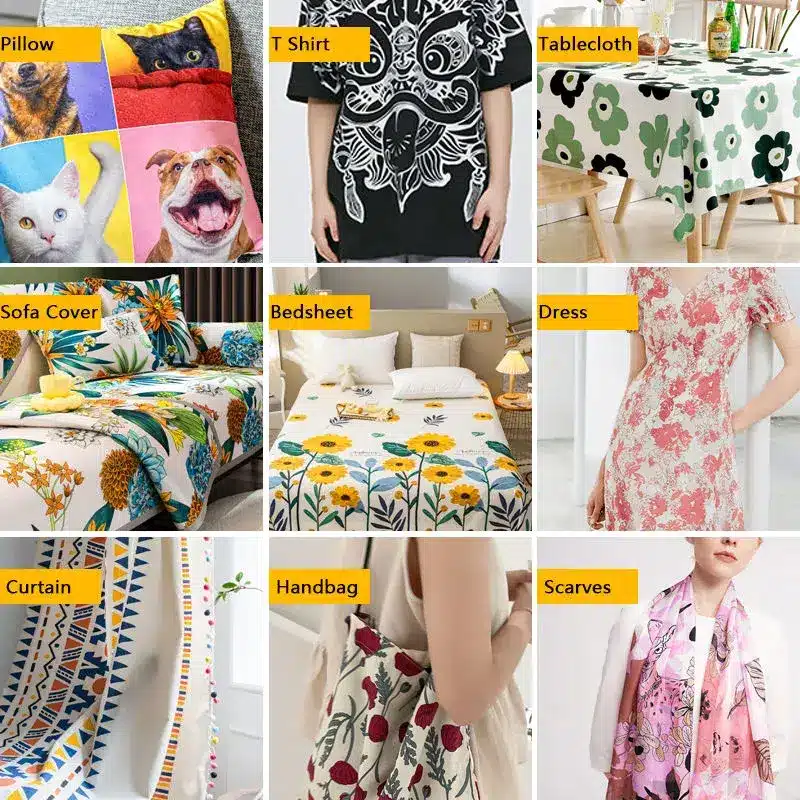
Imagine printing your design onto special sublimation paper. Next, you place this paper onto the object you want to print, whether it's fabric or another sublimation-friendly surface. As the heat gets applied, the magic happens: the ink becomes a part of the material, leaving absolutely no residue on top.
What makes it even more appealing is the durability of the prints. These designs are not only visually stunning but also resistant to cracking and fading, making them perfect for customized apparel and home goods alike.
Dye sublimation is revolutionizing how we personalize our world. With endless possibilities, it's no wonder this printing method is a favorite among creators and manufacturers alike.
What is Dye Sublimation Printing
 

Benefits of Dye Sublimation Printing


Dye sublimation printing is a game-changer, especially when it comes to producing vibrant, full-color designs. One major perk is its ability to create prints that virtually pop off the fabric, offering colors that are brighter and richer than some other printing methods can achieve.
Another fantastic benefit is durability. Because the inks become part of the material, sublimation prints are incredibly resistant to fading. They can withstand repeated washes without losing their vibrancy. This makes them perfect for everyday items like clothing and mugs, ensuring they still look fresh after countless uses.
But that’s not all. The quality of detail achieved with dye sublimation is top-notch. Whether you’re working with intricate patterns or sharp lines, you can expect high-precision finishes that truly capture the essence of your design. This makes it a favorite for producing high-resolution images and designs that need to maintain their sharpness.
So, if you're looking for a printing method that checks all the boxes for vividness, durability, and detail, dye sublimation is definitely worth considering. It’s like magic for your custom designs!

Materials Needed for Dye Sublimation Printing


Before you can dive into the world of dye sublimation printing, you'll need to gather some essential materials. Let's start with the basics, which include a dye-sublimation printer. This machine is specifically designed to handle special sublimation inks, making it a key player in the printing process.
Sublimation Paper and Ink
Next up is sublimation paper. It's different from regular paper because it's specially coated to hold and release sublimation inks effectively. On the topic of inks, you’ll want to use sublimation inks that turn into gas when heated, allowing them to transfer seamlessly onto your chosen surface.
A heat press machine is also crucial. It’s what you’ll use to apply the right amount of heat and pressure to transfer the ink from the paper to your product, whether it's fabric, ceramic, or metal. Each material might require some adjustment to the heat and time settings, but that’s part of the fun experimentation!
Last, but certainly not least, you’ll need substrates that are prepared for sublimation. These could be polyester fabrics or specially coated items like mugs or phone cases. It's important because the sublimation process only works on these types of surfaces.
Once you have all these materials, you’re well on your way to creating exciting and lasting sublimation prints!

Step-by-Step Dye Sublimation Process


Let's walk through the dye sublimation process step-by-step. You'll find it's straightforward once you've got a handle on all the materials.
First, start by creating your desired design using design software. Make sure it's vibrant, as sublimation works best with bright and bold colors. Once your design is ready, print it onto the sublimation paper using your dye-sublimation printer.
Now that you have your printed design, it's time to prepare your substrate. If it's a fabric, give it a quick lint roll to ensure a clean surface. For hard items, a dust-free surface is key.
Next, align the printed sublimation paper with your substrate. Use heat-resistant tape to secure it, which prevents any shifting during the transfer process.
Move over to your heat press machine. Adjust it to the correct temperature, pressure, and time settings as recommended for your material. Once set, place your item in the heat press, cover it with a protective sheet, and close the heat press.
After the timer beeps, carefully open the heat press and peel away the sublimation paper. Your design should be beautifully transferred and vibrant. Let it cool briefly, and voila! You've completed the dye sublimation process.
That's all there is to it! With practice, you'll master the art of dye sublimation in no time.

Ensuring Quality Results in Dye Sublimation Printing


Achieving top-notch quality with dye sublimation printing often hinges on a few key practices. First up, focus on choosing the right materials. Opt for high-quality substrates specifically designed for sublimation to ensure vibrant color transfer.
Pay close attention to your printer settings. Make sure your printer is well-maintained, with a clean print head and suitable ink levels. Adjust the settings to match the resolution and paper type being used, as this affects how well the image prints on the paper.
Don't skip on testing. Running a test print helps you spot and tweak any issues before committing to the final product. It's a great way to save time and resources.
Mind the heat press parameters. Double-check that the temperature, time, and pressure settings are spot-on for your specific substrate. These elements play a crucial role in how well the ink bonds with the material.
Lastly, remember the importance of cooling. Allow your sublimated items to cool naturally to prevent any accidental smudging or distortion.
By keeping these pointers in mind, you'll produce beautiful, professional results every time, making all your projects shine!

Choosing the Right Printer for Dye Sublimation


Picking the perfect printer for dye sublimation can feel a bit overwhelming, but it becomes easier when you know what to look for. First, consider the printer size. Think about the types of projects you’ll be handling—is large-format printing something you'll need regularly?
Understanding Ink Compatibility
Ensure the printer is compatible with dye sublimation inks. Not all printers are designed to handle these inks, so it's important to verify their suitability to prevent any mishaps or ineffective results.
Another key factor is resolution. High-resolution capabilities are crucial for sharp, detailed images. Always check the specs to ensure the printer delivers the clarity your work requires.
Budget also plays a role. Prices can range widely, so identify what features are essential for your needs and compare them against your budget. Remember, sometimes investing a bit more upfront can save hassles down the line.
Finally, read reviews and maybe even try to see the printer in action if possible. Getting firsthand feedback from other users can provide valuable insights into performance and potential issues.
With these points in mind, you're all set to choose a printer that meets your dye sublimation needs, ensuring quality results every time!

The Bottom Line: Mastering the Dye Sublimation Printing Process


Wrapping up, mastering the dye sublimation printing process is much like learning any new craft. It might seem daunting at first, but once you grasp the essentials, it becomes second nature.
First off, understanding your materials and tools, like choosing the right printer, is crucial. It sets the foundation for everything that follows. Don't skip out on learning the nuances of printer settings and ink compatibility—it can save a ton of time and money.
In light of this, practice is key. Experiment with different designs, textiles, and surfaces. Each trial, whether a success or a stumble, teaches something new. Over time, your skills will become sharper, and the process smoother.
It's also worth mentioning that staying curious helps. Follow trends, watch tutorials, and engage with fellow enthusiasts. There's always something new to learn or try, and continuous learning keeps the process exciting and fresh.
While challenges will arise, remember, each hurdle is a stepping stone to becoming better. Embrace any mistakes as part of your journey and don't hesitate to seek help when needed.
At the end of the day, dye sublimation opens up a world of possibilities for expressing creativity and producing stunning prints. With persistence and the right mindset, you’ll soon find yourself not just understanding but truly mastering the dye sublimation printing process.
Image Square Printing https://imagesquareprinting.com/dye-sublimation-printing-process/

Thursday, November 7, 2024

PVC Sign VS Styrene Sign

PVC Sign VS Styrene Sign
It's essential to understand the differences between PVC Sign VS styrene sign when it comes to choosing the perfect material for your signage needs,  These two materials have their own unique characteristics that make them suitable for various purposes. In this blog post, we will delve deep into the distinctions between PVC signs and styrene signs to help you make an informed decision for your next signage project.
 

PVC Sign VS Styrene Sign


What is a PVC Sign?


PVC, which stands for polyvinyl chloride, is a durable and versatile plastic material commonly used in the sign-making industry. PVC signs are known for their excellent durability and weather resistance, making them a popular choice for outdoor signage.
Key Features of PVC Signs:
- Durability: PVC signs are highly durable and can withstand harsh weather conditions, making them ideal for outdoor use.
- Versatility: PVC signs can be easily customized to fit various shapes, sizes, and designs, making them a versatile option for signage needs.
- Cost-Effective: PVC signs are relatively cost-effective compared to other materials, making them a budget-friendly choice for businesses.
PVC Sign VS Styrene Sign

What is a Styrene Sign?


Styrene, also known as polystyrene, is a lightweight and flexible plastic material commonly used for indoor signage. Styrene signs are popular for their smooth surface and ability to showcase vibrant colors and graphics.
Key Features of Styrene Signs:
- Lightweight: Styrene signs are lightweight and easy to handle, making them perfect for indoor displays and temporary signage.
- High-Quality Print: Styrene offers a smooth surface that allows for high-quality printing, making it ideal for vibrant colors and intricate designs.
- Affordability: Styrene signs are cost-effective and offer good value for businesses looking for quality indoor signage options.

Differences Between PVC Signs and Styrene Signs


1. Durability
One of the significant differences between PVC signs and styrene signs is durability. PVC signs are more durable and weather-resistant than styrene signs, making them the preferred choice for outdoor signage that needs to withstand various elements.
2. Indoor vs Outdoor Use
While both PVC and styrene signs have their strengths, PVC signs are better suited for outdoor use due to their superior durability and weather resistance. On the other hand, styrene signs are more commonly used for indoor displays and temporary signage due to their lightweight nature.
3. Customization Options
When it comes to customization, PVC signs offer more flexibility in terms of shapes, sizes, and designs compared to styrene signs. PVC signs can be easily shaped and customized to fit specific branding requirements, making them a versatile option for businesses seeking unique signage solutions.
4. Cost Considerations
In terms of cost, styrene signs are generally more affordable than PVC signs, making them a budget-friendly option for businesses looking for quality indoor signage without breaking the bank. However, PVC signs offer long-term durability and weather resistance, making them a cost-effective choice for outdoor signage projects.
5. Printing Quality
Styrene signs are known for their ability to showcase high-quality prints with vibrant colors and intricate designs due to their smooth surface. On the other hand, PVC signs also offer good printing quality but are more favored for their durability and weather resistance rather than print quality.

Conclusion


In conclusion, when deciding between PVC signs and styrene signs for your signage needs, it's essential to consider factors such as durability, customization options, indoor or outdoor use, cost considerations, and printing quality. PVC signs excel in outdoor applications where durability is key, while styrene signs are ideal for vibrant indoor displays at a budget-friendly price point. Ultimately, the choice between PVC and styrene signs will depend on your specific signage requirements and design preferences.
Image Square Printing https://imagesquareprinting.com/product/pvc-and-styrene-signs/